
The utilization of sustainable construction materials has become increasingly imperative in contemporary building practices. As environmental concerns continue to shape the industry, the exploration of innovative and eco-conscious alternatives has garnered significant attention. From the incorporation of recycled resources to the emergence of energy-efficient building options universal tensile testing machine, the realm of sustainable materials presents a vast array of possibilities for environmentally conscious construction projects. In this context, the discussion surrounding sustainable construction materials opens up a realm of possibilities that not only promote sustainable development but also offer a glimpse into the future of environmentally responsible construction practices.

Benefits of Sustainable Materials
The utilization of sustainable construction materials offers a multitude of advantages in enhancing environmental stewardship and resource efficiency within the building industry. By incorporating sustainable materials into construction projects, the environmental impact is significantly reduced. Sustainable materials are typically sourced from renewable resources universal material testing machine, such as bamboo, straw, or reclaimed wood, which helps in conserving natural resources and reducing carbon emissions associated with traditional construction materials.
One key benefit of using sustainable materials is the improvement in indoor air quality. Many traditional construction materials contain harmful chemicals that can off-gas over time, leading to poor air quality within buildings. Sustainable materials, on the other hand, are often free from these harmful substances, thereby creating a healthier indoor environment for occupants.
Furthermore, sustainable construction materials are known for their durability and longevity, reducing the need for frequent replacements and repairs. This not only saves on costs in the long run but also minimizes the amount of waste generated from construction and demolition activities. Overall, the use of sustainable materials paves the way for a more environmentally conscious and resource-efficient building industry.
Types of Recycled Resources
The use of recycled resources in construction offers numerous benefits, ranging from reduced environmental impact to cost-effectiveness. By utilizing materials like reclaimed wood, recycled concrete, and repurposed metals, construction projects can significantly decrease their carbon footprint.
These resources not only promote sustainability but also showcase innovative ways to incorporate eco-friendly practices in the building industry.
Benefits of Recycling
Exploring various types of recycled resources reveals the multitude of benefits that recycling offers for sustainable construction materials. Recycling provides a cost-effective solution by reducing the need for new raw materials, ultimately lowering production expenses.
Additionally, recycling helps in conserving natural resources, such as timber and minerals, which are vital for construction. By diverting waste from landfills, recycling aids in reducing environmental impact and energy consumption associated with extracting, processing, and transporting virgin materials.
Moreover, using recycled resources decreases greenhouse gas emissions and pollution. Different recycled resources like reclaimed wood, recycled steel, and crushed concrete offer high-quality alternatives that meet construction standards while promoting sustainability.
Embracing recycling in construction not only supports the environment but also contributes to a more resilient and eco-friendly industry.
Application in Construction
To effectively implement sustainability in construction practices, it is imperative to understand the diverse types of recycled resources available for application in the industry. Various types of recycled materials can be utilized in construction, such as recycled concrete, reclaimed wood, recycled glass, and recycled plastic.
Recycled concrete aggregates are commonly used as a substitute for natural aggregates in concrete production, reducing the need for virgin materials. Reclaimed wood from old buildings or structures can be repurposed for flooring, decking, or structural elements, offering a sustainable alternative to newly harvested timber.
Recycled glass can be crushed and used as a replacement for sand in concrete mixes, contributing to waste reduction and energy conservation. Additionally, recycled plastic materials can be incorporated into construction products like composite lumber, reducing plastic waste while enhancing durability and longevity in construction projects.
Advantages of Bamboo Usage
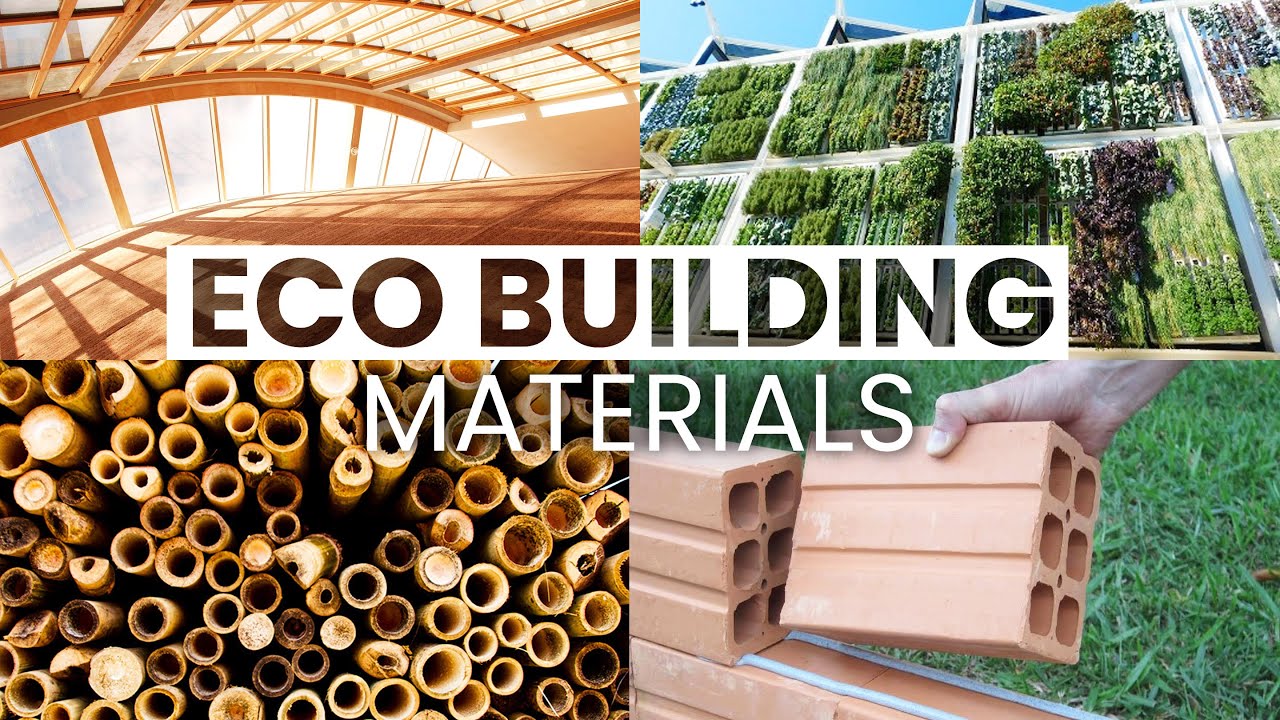
Bamboo stands out as a sustainable construction material due to its remarkable strength-to-weight ratio and rapid growth rate. This natural resource boasts a higher tensile strength than steel, making it an ideal choice for structural elements in construction.
Despite its lightweight nature, bamboo is incredibly durable and resilient, offering excellent support while reducing the overall load on the building. Additionally, bamboo’s rapid growth rate – with some species growing up to 3 feet in a single day – allows for quick replenishment and sustainable harvesting practices. This renewable characteristic makes bamboo a highly eco-friendly option compared to traditional construction materials.
Furthermore, bamboo is versatile in its applications, suitable for various construction needs such as scaffolding, flooring, and wall cladding. Its aesthetic appeal, coupled with its strength and sustainability, positions bamboo as a favorable choice for environmentally conscious construction projects seeking both durability and ecological responsibility.
Impact of Cork in Construction
Cork, another sustainable material gaining traction in the construction industry, offers unique properties that contribute to both environmental friendliness and functional versatility in building applications.
Cork is harvested from the bark of cork oak trees, a process that does not harm the trees and allows for sustainable production. Cork’s cellular structure makes it lightweight yet durable, providing excellent insulation properties that help regulate indoor temperatures and reduce energy consumption. Additionally, cork is a renewable resource, with trees being able to regenerate their bark every 9-12 years, making it a highly sustainable choice for construction projects.
In construction, cork is commonly used as an insulating material in walls, floors, and roofs, helping to improve energy efficiency and reduce carbon emissions. Its natural elasticity also makes it a suitable material for flooring, as it can absorb impact and reduce noise levels. Furthermore, cork is resistant to moisture, mold, and mildew, contributing to healthier indoor environments.
Energy-Efficient Building Options
Energy-efficient building options encompass a range of innovative technologies and design strategies aimed at minimizing energy consumption and maximizing sustainability in construction projects. One key option is the use of high-performance windows that offer better insulation, reducing heat loss and gain.
Another strategy is the implementation of cool roofs, which reflect more sunlight and absorb less heat than standard roofs, leading to lower cooling costs. Incorporating efficient HVAC systems, such as heat pumps and geothermal heating, can significantly reduce energy usage. Additionally, advanced lighting systems, like LED fixtures and automated controls, contribute to energy savings.
Building orientation, natural ventilation, and shading techniques are design strategies that optimize energy efficiency. Moreover, renewable energy sources such as solar panels and wind turbines can further enhance a building’s sustainability. By integrating these energy-efficient options into construction projects, buildings can operate more efficiently, reduce their environmental impact, and promote a greener future.
Eco-Friendly Insulation Solutions
When considering eco-friendly insulation solutions, it is crucial to explore options such as plant-based materials, which offer a sustainable alternative to traditional insulation.
Additionally, utilizing recycled materials in insulation can significantly reduce environmental impact while providing effective thermal performance.
Energy-efficient insulation solutions not only contribute to sustainability efforts but also help in creating healthier and more energy-efficient buildings.
Plant-Based Insulation Options
Utilizing plant-based materials as insulation solutions offers an environmentally sustainable alternative in construction practices. Plant-based insulation options, such as cotton, hemp, and cellulose, provide excellent thermal performance while reducing the carbon footprint of buildings.
Cotton insulation is made from recycled denim, offering a non-toxic and fire-resistant solution. Hemp insulation is known for its mold resistance and durability. Cellulose insulation, derived from recycled paper, is treated for fire resistance and insect repellency.
These plant-based materials not only offer effective insulation but also contribute to the reduction of waste in landfills. By incorporating plant-based insulation options, construction projects can promote sustainability, energy efficiency, and a healthier indoor environment.
Recycled Material Choices
Recycled material choices present an environmentally conscious approach to insulation solutions in construction, building upon the principles of sustainability embraced by plant-based options. These options include materials like recycled denim, glass wool, and cellulose insulation made from recycled paper products.
Recycled denim insulation, produced from old jeans, offers a non-toxic and fire-retardant solution that also provides excellent sound insulation properties. Glass wool insulation, manufactured from recycled glass bottles, is known for its high thermal performance and fire resistance.
Cellulose insulation, created from recycled paper fibers treated with flame retardants, is a cost-effective and energy-efficient choice. By utilizing recycled materials in insulation, construction projects can reduce waste, conserve resources, and contribute to a more sustainable built environment.
Energy-Efficient Insulation Solutions
Amid the growing emphasis on sustainability in construction practices, energy-efficient insulation solutions have emerged as pivotal components in enhancing the environmental performance of buildings. Eco-friendly insulation materials such as cellulose, sheep’s wool, and recycled denim offer excellent thermal resistance, reducing energy consumption for heating and cooling.
Additionally, innovative products like aerogel provide superior insulation properties while being lightweight and space-efficient. Implementing proper insulation techniques, such as sealing air leaks and ensuring adequate ventilation, further optimizes energy efficiency. These solutions not only contribute to reducing carbon emissions but also offer cost savings in the long run.
Sustainable Concrete Alternatives
Concrete is a widely used construction material known for its durability and strength, but in recent years, the industry has been exploring sustainable alternatives to traditional concrete.
One such alternative is geopolymer concrete, which reduces carbon emissions by utilizing industrial by-products like fly ash or slag. Another option is hempcrete, made from the inner woody fibers of the hemp plant mixed with lime. Hempcrete is lightweight, breathable, and has excellent thermal properties.
Ferrock, a material made from industrial waste like steel dust, is carbon-negative and absorbs carbon dioxide during its curing process. Additionally, timbercrete combines sawdust or wood chips with concrete to create a lightweight and insulating material.
These sustainable concrete alternatives offer reduced environmental impact, improved energy efficiency, and innovative solutions for the construction industry. By incorporating these materials into building projects, construction professionals can contribute to a more sustainable future while maintaining the structural integrity and performance expected from traditional concrete.
Green Roofing Materials
With a focus on sustainable construction practices, the utilization of green roofing materials has gained prominence in the industry as a means to enhance energy efficiency and environmental impact. Green roofing materials are designed to provide multiple benefits such as reducing energy consumption, improving air quality, and mitigating the urban heat island effect. One popular option is the use of cool roofs, which are typically made of reflective materials that reduce heat absorption and decrease the need for air conditioning.
Additionally, green roofs, covered with vegetation, offer natural insulation, reduce stormwater runoff, and provide habitat for wildlife. These roofs can be extensive, with lighter vegetation and lower maintenance requirements, or intensive, featuring a thicker soil layer that allows for a wider variety of plantings. Both types contribute to improved energy efficiency and help combat climate change.
Furthermore, recycled materials like rubber shingles made from old tires or reclaimed wood shakes offer environmentally friendly alternatives to traditional roofing materials. By incorporating green roofing materials into construction projects, builders can significantly reduce the environmental impact of buildings while promoting sustainability and energy efficiency.
Cost-Effective Sustainable Choices
In the realm of sustainable construction practices, selecting cost-effective choices is paramount for balancing environmental stewardship with economic considerations. When it comes to cost-effective sustainable materials, options like recycled steel, reclaimed wood, and bamboo can offer both environmental benefits and financial savings. Recycled steel reduces the demand for new raw materials and can be cheaper than virgin steel. Reclaimed wood not only adds a unique aesthetic to a project but also helps reduce deforestation and landfill waste. Bamboo, known for its rapid growth and renewability, is a durable and cost-effective alternative to traditional hardwoods.
Another cost-effective sustainable choice is fly ash concrete, which utilizes a byproduct of coal combustion to reduce the cement needed in concrete mixtures. This not only decreases the carbon footprint of the construction but also lowers costs. Additionally, using locally sourced materials can cut transportation expenses and support the regional economy while reducing emissions from long-distance shipping. By carefully selecting these cost-effective sustainable choices, construction projects can achieve both financial efficiency and environmental responsibility.
Conclusion
In conclusion, sustainable construction materials offer numerous benefits such as reduced environmental impact, improved indoor air quality, and cost-effectiveness.
By utilizing recycled resources, bamboo, cork, and other eco-friendly options, construction projects can contribute to environmental conservation efforts.
Choosing sustainable materials not only promotes sustainability but also ensures durability and longevity in building structures.
Overall, incorporating sustainable materials in construction practices is essential for creating eco-friendly and efficient buildings.